- Published
- Victor Gaier
- 5 min Read
Benefits of Access Control Systems for Commercial Properties
Summarize With:
In This Article
Managing access to a commercial property is essential for maintaining workplace security and protecting business assets. Offices, warehouses, retail stores, and other commercial buildings receive employees, visitors, and contractors throughout the day. Access control systems for commercial properties help businesses manage entry permissions, restrict unauthorized access, and maintain better control over different areas.
Beyond security, these systems support daily business operations by allowing businesses to assign employee permissions, manage visitor access, and protect restricted spaces. They can also provide access records, depending on system capabilities. Understanding these benefits helps business owners make informed decisions about securing their premises.
What is an Access Control System for Commercial Properties?
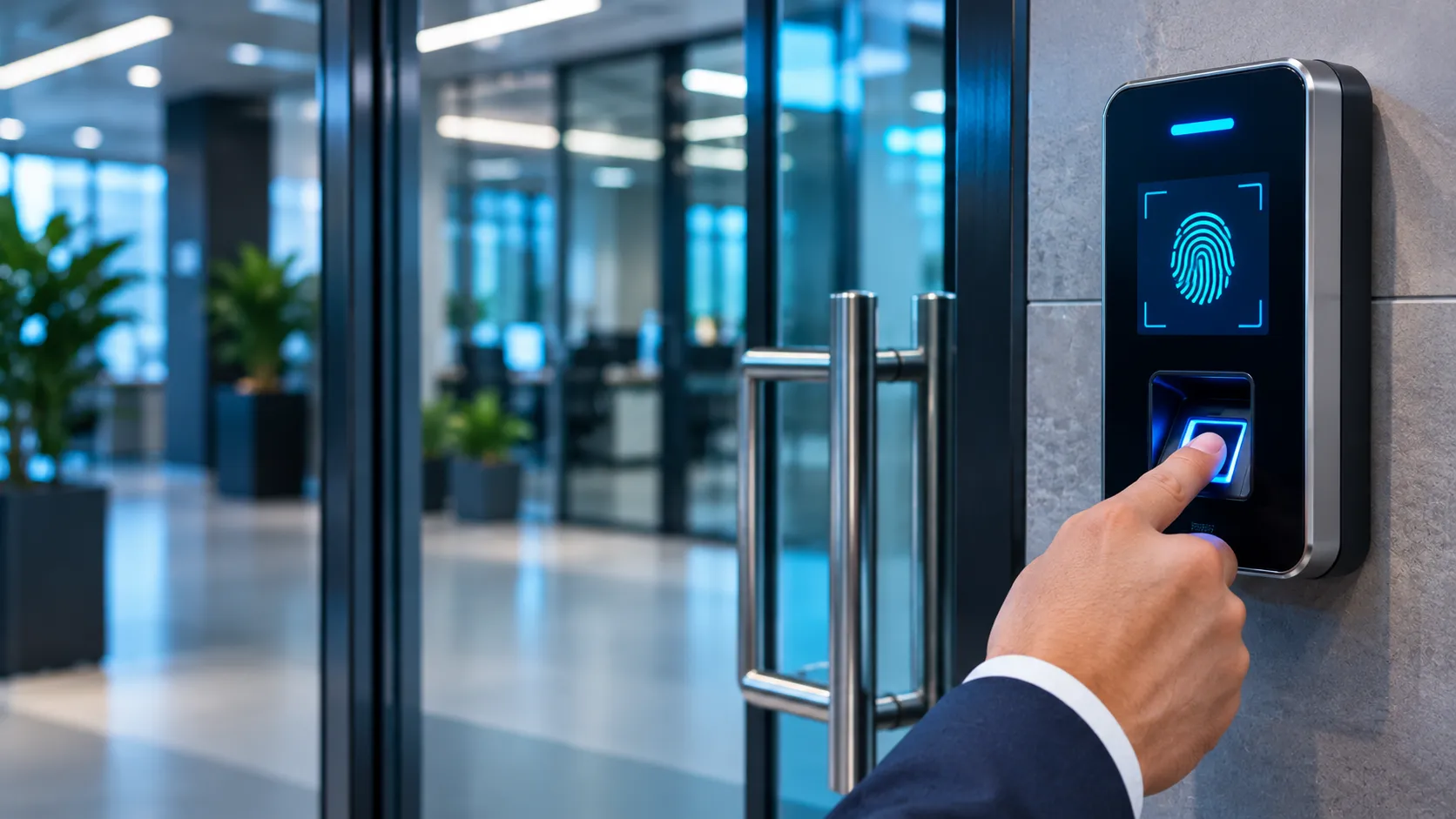
An access control system is a security solution that manages who can enter a building or specific areas within it. Instead of allowing unrestricted entry, it uses authorized credentials and permissions to determine whether access should be granted.
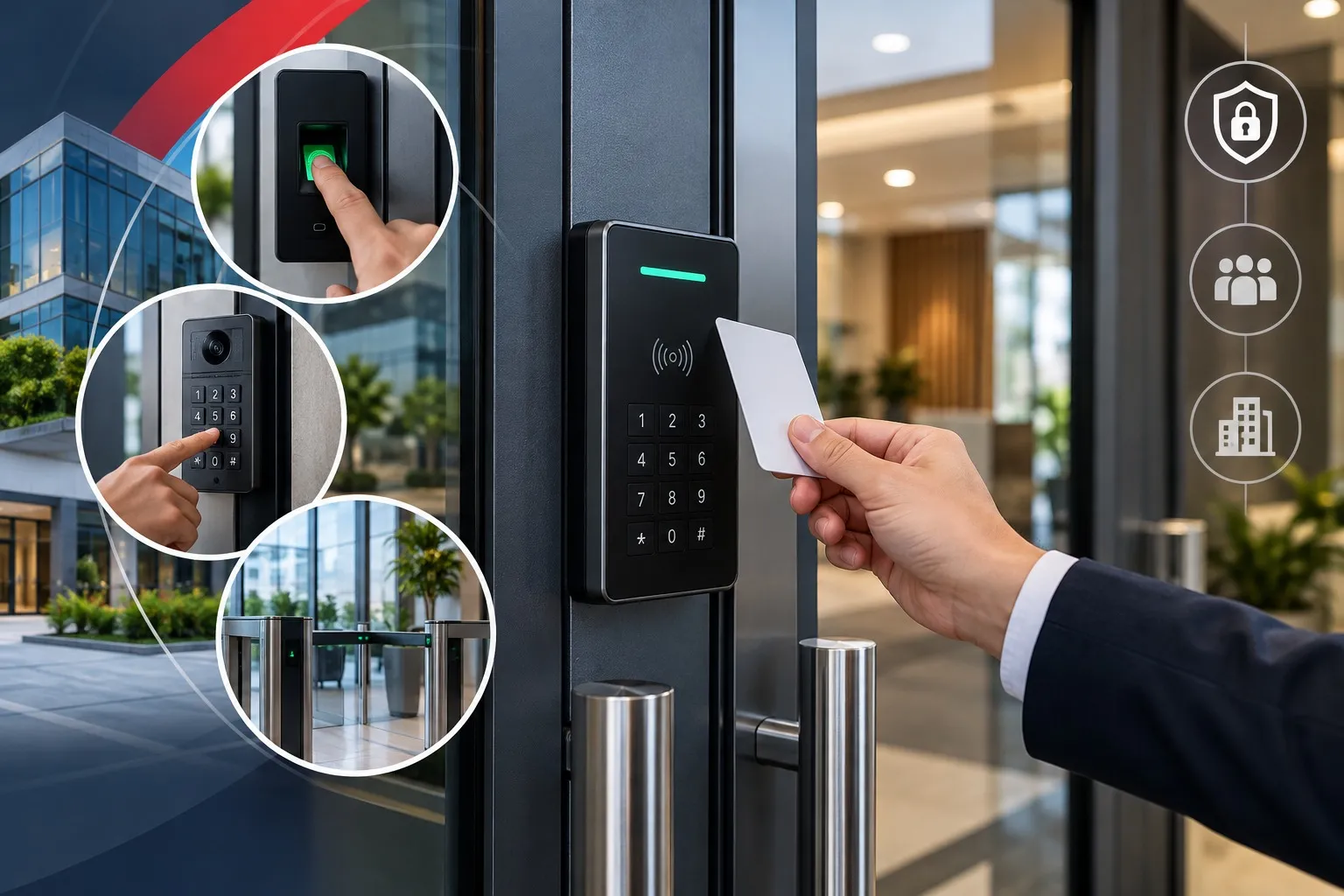
A typical electronic access control system may include:
- Access control panels
- Key Card or credential readers
- Electronic door locks
- Access credentials
- Management software
The exact components depend on the property’s requirements and system configuration.
For commercial buildings, access control can manage main entrances as well as restricted spaces such as offices, storage rooms, server rooms, and staff-only areas. This gives businesses greater control over movement within their premises.
What Are the Main Benefits of Access Control Systems for Businesses?
Commercial access control systems offer several advantages beyond managing entry. They help businesses organize access permissions, protect important areas, and support everyday security operations.
1. Improved Security and Controlled Building Access
One of the main benefits of access control systems is the ability to limit building entry to authorized individuals. Businesses can use access credentials and assigned permissions to manage who is allowed to enter specific doors or areas.
This is useful for commercial properties where employees, visitors, contractors, and service providers may enter throughout the day. Rather than relying only on traditional keys, businesses can establish a more structured approach to entry management.
Controlled access can help reduce opportunities for unauthorized entry and support a more secure working environment. It also allows businesses to manage access according to their operating requirements.
2. Better Protection for Restricted Areas and Business Assets
Not every person working in a commercial property needs access to every room. Certain areas may contain confidential documents, valuable equipment, inventory, or important business infrastructure.
An access control security system allows businesses to assign different permissions to different individuals. For example, employees may have access to their regular work areas, while server rooms, management offices, and storage spaces remain restricted to approved personnel.
This approach helps protect sensitive business assets and reduces unnecessary movement into controlled areas. It is particularly useful for offices, warehouses, retail premises, and other properties with different security requirements.
3. Improved Employee Access Management
Managing employee access can become complicated as a business grows or its workforce changes. New employees may need entry permissions, existing employees may move between departments, and former employees should no longer retain access.
A business access control system helps organize these permissions through a centralized management process, depending on the system’s capabilities. Authorized administrators can assign or update access rights according to employee roles and responsibilities.
This makes it easier to maintain appropriate access levels across different departments and work areas. It also reduces dependence on manually distributing and collecting physical keys whenever access requirements change.
4. More Organized Visitor and Contractor Access
Commercial properties often receive visitors, delivery personnel, maintenance workers, and contractors. Managing their entry is important because these individuals may not need access to every part of the building.
Access control can support a more organized visitor management process by helping businesses control which entrances and areas visitors are permitted to access. For example, a visitor may be allowed into a reception area or designated meeting space without receiving permission to enter employee-only rooms.
When combined with suitable reception procedures, access control can help businesses manage visitor movement more effectively. This supports better oversight while allowing normal business activities to continue.
5. Better Entry Records and Accountability
Depending on the system and its configuration, electronic access control systems can maintain records of access activity. These records may help authorized personnel review when credentials were used at particular entry points.
Such information can support internal security reviews and provide useful context when a business needs to investigate an access-related incident. It can also help administrators understand how access permissions are being used.
Access records should be managed responsibly, with appropriate permissions for reviewing them. Businesses should also understand that recording features and the level of available information vary between systems.
6. Greater Convenience for Daily Business Operations
Traditional keys can create administrative challenges when multiple employees, departments, and entry points are involved. Businesses may need to distribute keys, collect them when roles change, and manage replacements when keys are lost.
An access management system provides another way to handle these responsibilities. Authorized administrators can manage permissions centrally, making it easier to adjust access when business requirements change.
For properties with several controlled entrances, this approach can help make daily entry management more organized. Employees can use their assigned credentials, while businesses maintain control over which areas those credentials can access.
7. Flexible Access Management as a Business Grows
Commercial properties may change over time as businesses add employees, reorganize departments, expand workspaces, or introduce new restricted areas. Their access requirements can change along with these operational needs.
A suitable access control system can provide flexibility by allowing authorized administrators to update permissions and manage additional access points, depending on the system’s design.
This can be valuable for growing businesses and multi-department workplaces. Instead of treating access arrangements as fixed, businesses can review and adjust permissions as their premises and workforce requirements develop.
Which Commercial Properties Can Benefit from Access Control Systems?
Access control for commercial buildings can support different property types, although the required setup depends on how each premises operates.
- Office buildings: Manage employee entry and restrict access to departments or confidential work areas.
- Retail stores: Control access to stockrooms, staff areas, and administrative offices.
- Warehouses: Restrict entry to inventory storage and operational spaces.
- Healthcare facilities: Manage access to designated administrative and restricted areas.
- Multi-tenant commercial buildings: Help organize entry permissions for different occupants and shared spaces.
The main consideration is identifying which people need access to which areas and managing those permissions appropriately.
How Do Access Control Systems Support Overall Business Security?
Access control systems can work alongside other commercial building security systems to support different security functions. Each solution serves a distinct purpose.
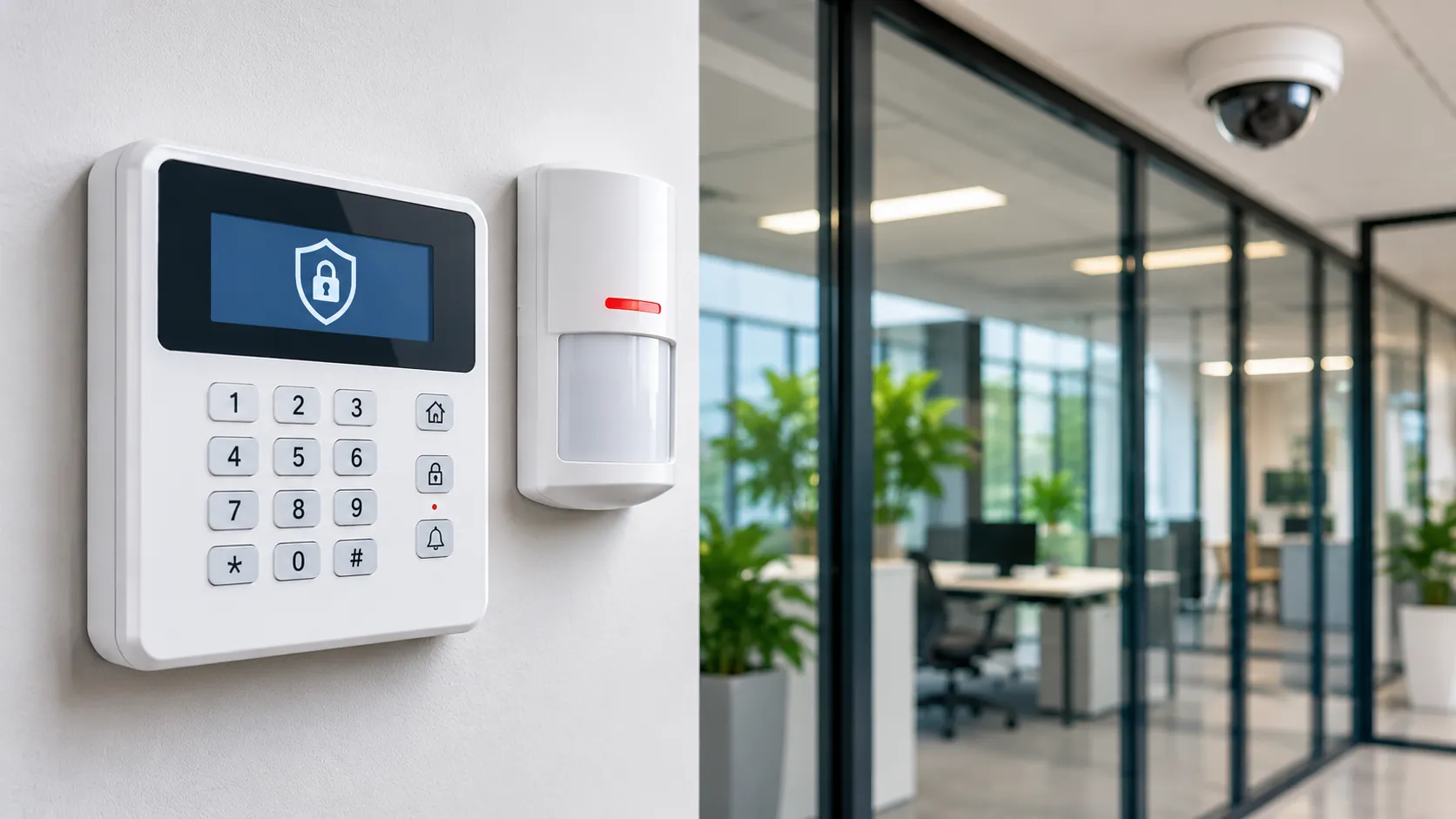
Access control manages authorized entry, while CCTV cameras provide visual monitoring of selected areas. Intrusion alarm systems detect defined security events, and video intercoms allow communication with visitors before entry is granted.
Where systems are compatible, integrating these solutions can help businesses coordinate their security arrangements. The available integration features depend on the equipment and system configuration.
Why is Professional Access Control Planning Important?
An effective access control arrangement should reflect the property’s layout and daily operations. Businesses need to consider entrances, restricted areas, employee responsibilities, visitor movement, and existing security equipment.
Professional planning helps identify where access needs to be controlled and what type of arrangement may suit the premises. It also provides an opportunity to consider how access control can work with other security measures already in place.
How Can Cisco Fire Systems Help with Commercial Access Control?
Cisco Fire Systems provides access control and security system solutions for commercial and residential properties. Businesses can discuss their entry management requirements, building layout, and restricted access needs to identify an appropriate approach.
For businesses researching access control systems in Nassau County, Cisco Fire Systems offers access control services to support authorized entry and property security. As a family-owned company established in 1982, Cisco Fire Systems provides fire protection and security system services. Businesses can contact the company to discuss their access control requirements and arrange a site survey.
Conclusion
Access control systems offer commercial properties a structured way to manage building entry, protect restricted areas, organize employee and visitor access, and support daily security operations. Their benefits extend beyond controlling doors, helping businesses maintain clearer access permissions as their needs change.
Cisco Fire Systems provides access control solutions for businesses seeking to manage entry and strengthen their property security arrangements. A site assessment can help identify access requirements and determine a suitable approach for the premises.
Frequently Asked Questions
1. What Are the Main Benefits of Access Control Systems for Commercial Properties?
Access control systems help businesses manage authorized entry, protect restricted areas, organize employee and visitor access, and maintain access records where supported. They can also make it easier to update permissions as business requirements change.
2. How Does an Access Control System Improve Business Security?
It helps limit entry to authorized individuals through assigned credentials and permissions. Businesses can use it to control access to entrances, offices, storage rooms, and other designated areas.
3. Can Access Control Systems Restrict Entry to Specific Rooms?
Yes. Depending on the system configuration, businesses can assign different access permissions to individual doors and restricted rooms, allowing only approved employees or personnel to enter designated areas.
4. Are Access Control Systems Suitable for Small Businesses?
Yes. Small businesses can use access control to manage employee entry and protect areas containing important documents, equipment, or inventory. The system should be selected according to the property’s size and access requirements.
5. Can Access Control Systems Work with CCTV Cameras and Alarm Systems?
Some access control systems can integrate with compatible CCTV cameras and alarm systems. Integration capabilities depend on the equipment, software, and system configuration.
6. Can Businesses Change Employee Access Permissions?
Yes. Systems with suitable management features allow authorized administrators to update employee access permissions when job roles, responsibilities, or employment status change.
About the author

Victor Gaier
Victor Gaier is an Electrical Engineer with 40+ years of experience specializing in fire alarm systems, CCTV, access control, intrusion alarms, and commercial security solutions across Nassau County and Long Island.
Share this article
Related Blogs
Explore more expert insights, tips, and updates on fire protection and security solutions.
Need Assistance? Get Your Free Site Survey
Protect your home or business with reliable fire protection and security solutions from Cisco Fire Systems. Tell us about your property and security needs, and our team will recommend the right solution for you.