- Published
- Victor Gaier
- 5 min Read
How Low-Voltage Cabling Supports Modern Commercial Security Systems
Summarize With:
In This Article
Modern commercial security systems depend on more than cameras, alarms, and access control devices. Behind these technologies is an infrastructure that connects devices, carries signals, and supports communication. Low-voltage cabling is an important part of this infrastructure.
Poorly planned or improperly installed wiring can contribute to connectivity problems, difficult troubleshooting, limited expansion, and unnecessary maintenance. For commercial properties, reliable security system wiring helps cameras, intrusion alarms, access control systems, and other security technologies operate as intended.
Understanding how low-voltage cabling supports commercial security can help business owners and facility managers make better decisions when installing, upgrading, or expanding their security systems.
What is Low-Voltage Cabling?
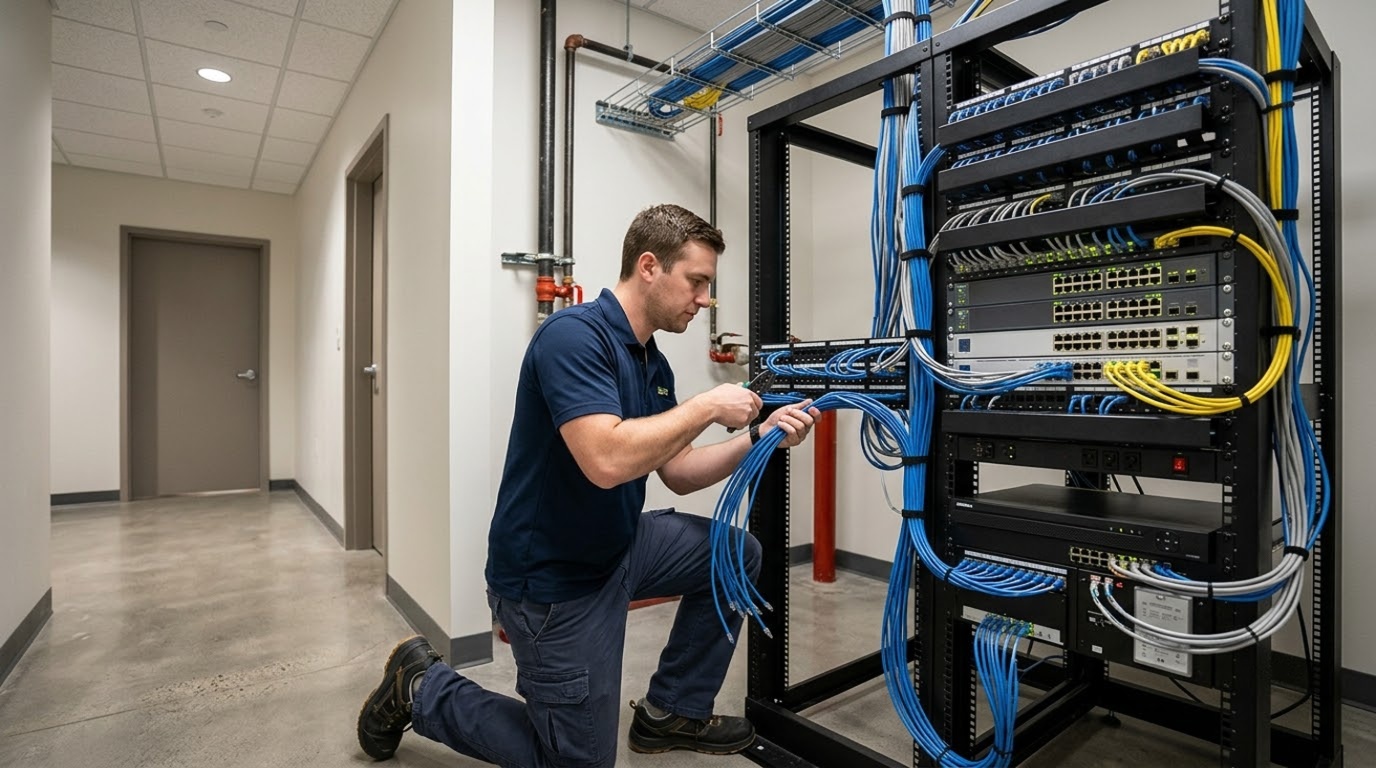
Low-voltage cabling is wiring designed to carry relatively low electrical power, data, or control signals for systems such as security cameras, access control, intrusion alarms, networking, and communications.
Unlike conventional electrical wiring used for high-power equipment, commercial network wiring is generally used for communication, control, and signal transmission. The specific cable type and installation method depend on the equipment and application.
In a commercial security environment, low-voltage cabling can connect cameras, sensors, alarm panels, access control readers, controllers, and network equipment. Proper planning ensures that the infrastructure can support current requirements while allowing room for future changes.
Why Does Low-Voltage Cabling Matter for Commercial Security?
Security systems depend on communication between multiple devices. A camera needs to transmit video, an access control reader needs to communicate with its controller, and an intrusion sensor needs to send information to an alarm panel.
The cabling infrastructure provides the pathway for these connections.
Properly designed commercial low-voltage cabling can support:
- Reliable communication between security devices
- Organized equipment connections
- Easier troubleshooting and maintenance
- Future system expansion
- Integration between security technologies
- Better overall security infrastructure
Poor cable management, damaged wiring, incorrect terminations, or inadequate planning can make a system harder to maintain. The goal is to create an infrastructure that matches the building, security equipment, network requirements, and future needs of the business.
Which Security Systems Use Low-Voltage Cabling?
Security Camera and CCTV Systems
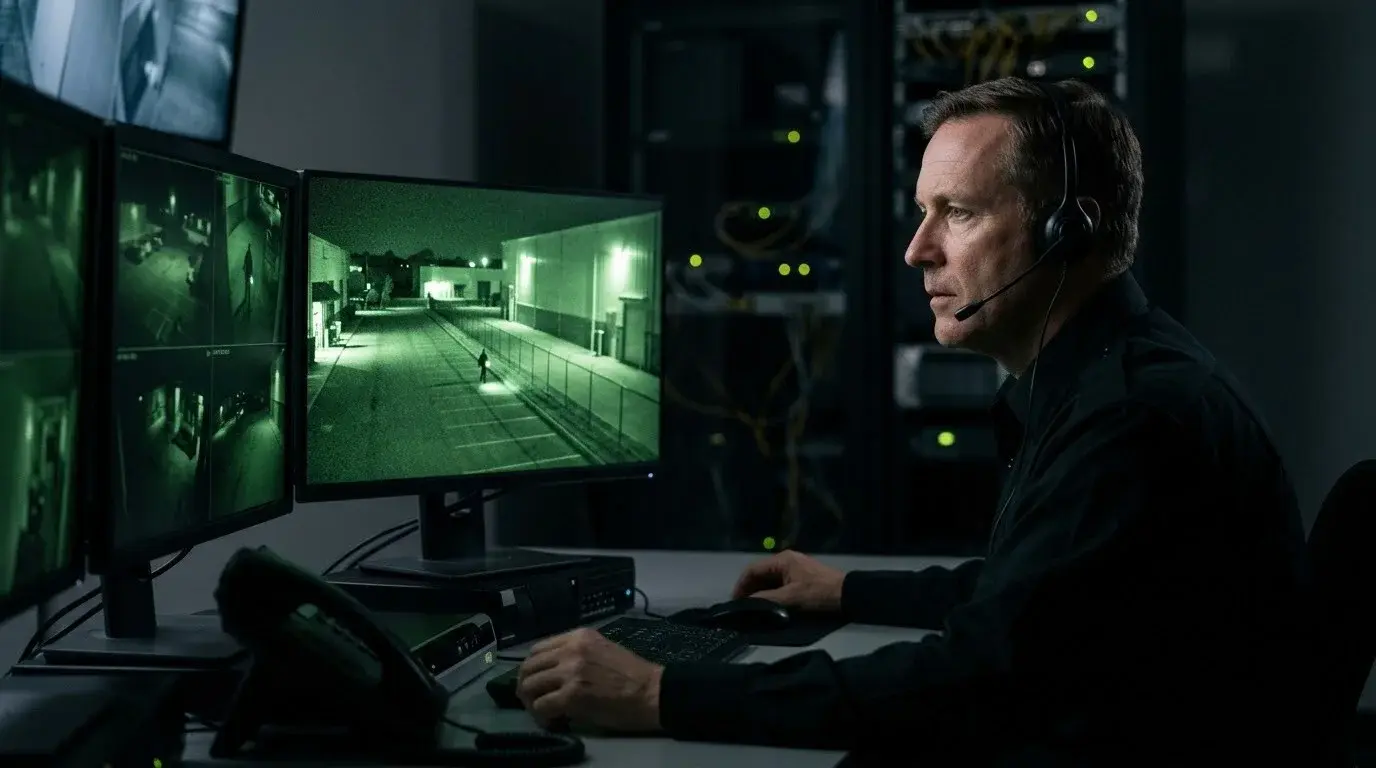
Commercial CCTV and IP security cameras require reliable connections to transmit video and communicate with recording or monitoring equipment.
Depending on the system design, security camera wiring can connect cameras to network switches, recording equipment, monitoring systems, or other network infrastructure. Properly planned cabling can help organize camera connections and make future additions easier.
Intrusion Alarm Systems
Intrusion alarm systems use sensors and control equipment to detect unauthorized entry or activity. Common devices include door and window contacts, motion sensors, glass-break detectors, and perimeter detection equipment.
Cisco Fire Systems provides commercial intrusion alarm systems with zoned protection, centralized control, and advanced detection devices. Its systems can integrate with fire alarms, CCTV, access control, and video intercom systems.
Access Control Systems
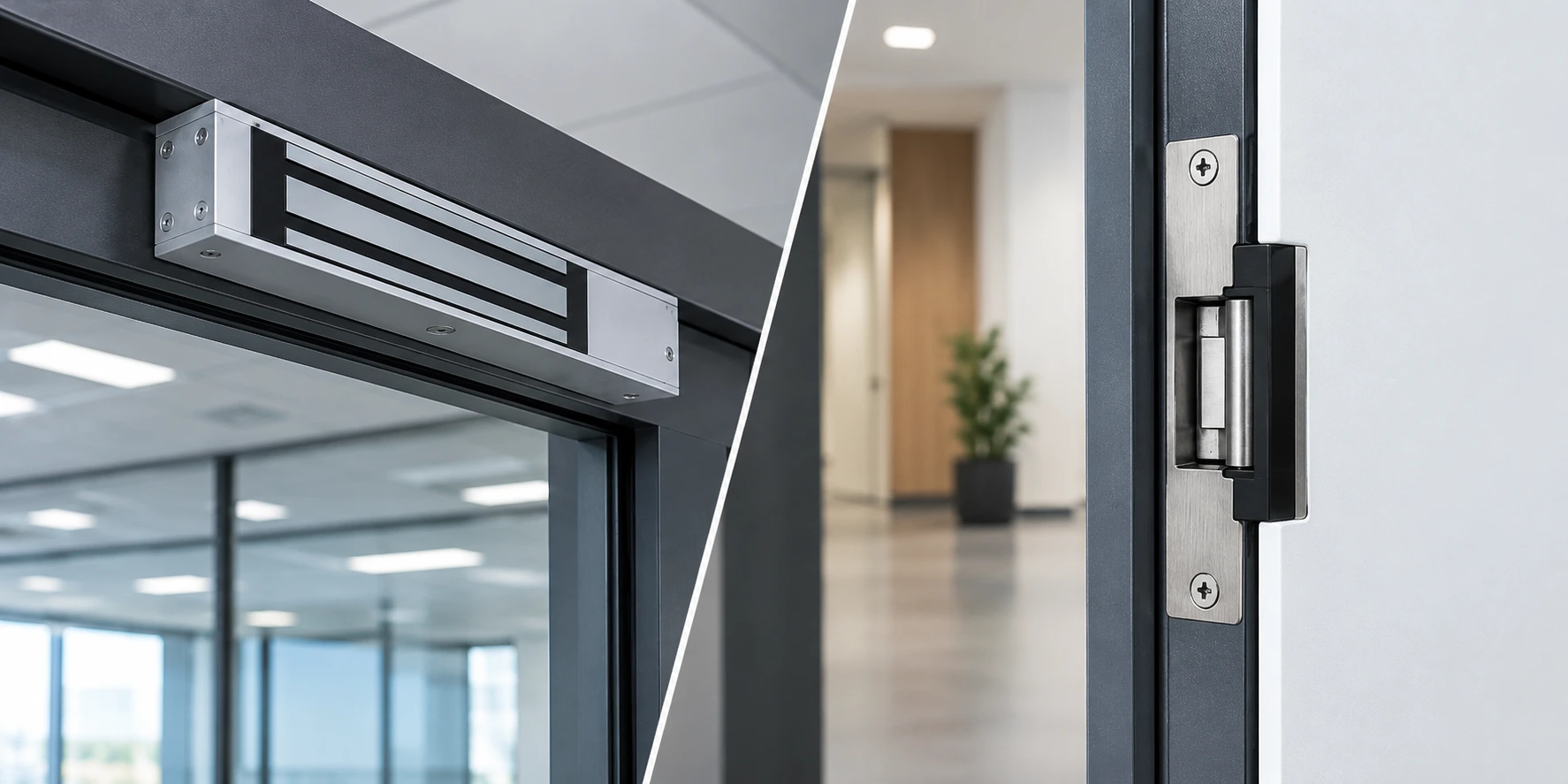
Access control systems manage who can enter specific areas of a commercial property. These systems can include card readers, door controllers, electronic locks, and request-to-exit devices.
Access control wiring connects these components so they can communicate with controllers and other system equipment. Proper planning is especially important for properties with multiple entrances or restricted areas.
Fire Alarm Systems
Commercial fire alarm systems also use specialized wiring and installation practices appropriate to their application. Components can include smoke detectors, heat detectors, manual pull stations, notification devices, and alarm control panels.
Because fire alarm installations are subject to specific requirements, businesses should use qualified professionals and follow applicable codes, standards, and manufacturer requirements.
How Low-Voltage Cabling Supports Integrated Security
Modern commercial properties often use several security technologies instead of relying on one system. CCTV can provide video verification, access control can manage entry, and intrusion alarms can detect unauthorized activity.
A simplified security communication path can look like this:
Security device → Cabling → Controller or network → Monitoring system → Alert or response
For example, an unauthorized door opening may trigger an intrusion sensor. The signal travels through the system infrastructure to the alarm panel, which can generate an alert. Integrated systems can then provide additional information through other connected technologies.
Benefits of Properly Installed Low-Voltage Cabling
Reliable Communication
Properly selected and installed cabling helps security devices communicate with controllers, networks, and monitoring equipment.
Easier Troubleshooting
Organized cable routes and clearly identified connections can make it easier for technicians to locate and resolve problems.
Better Scalability
Businesses may add cameras, controlled doors, sensors, or other equipment as security requirements change. A well-planned infrastructure can make future expansion easier.
Reduced Maintenance Challenges
Poor cable organization can make maintenance more time-consuming. Proper installation and documentation help technicians understand how equipment is connected.
Support for Multiple Technologies
A well-designed infrastructure can support CCTV, access control, intrusion alarms, intercoms, and networking, depending on the system requirements.
What Should Businesses Consider When Planning Low-Voltage Cabling?
Before installing or upgrading commercial security systems, businesses should consider:
- Building size and layout
- Number and location of security cameras
- Number of controlled entrances
- Intrusion detection zones
- Existing network infrastructure
- Equipment and control panel locations
- Cable routing
- Future expansion
- System compatibility
- Documentation and labeling
- Applicable installation requirements
A site assessment can help determine equipment locations and how the cabling should connect different parts of the security system.
Why Professional Low-Voltage Installation Matters
Professional low-voltage installation involves more than running cables between devices. The installation should account for equipment locations, routing, terminations, system compatibility, testing, documentation, and future maintenance.
Working with an experienced security and low-voltage contractor can also make it easier to coordinate multiple technologies within the same property.
Cisco Fire Systems provides low-voltage cabling and networking services alongside intrusion alarms, CCTV security camera installation, access control, fire alarm systems, video intercoms, and other security solutions.
Conclusion
Low-voltage cabling provides an important foundation for modern commercial security systems. From CCTV and access control to intrusion alarms and integrated security technologies, reliable infrastructure helps devices communicate and operate as intended.
Proper planning can improve system organization, simplify maintenance, support future expansion, and reduce avoidable connectivity problems. If your business needs commercial low-voltage cabling, security system wiring, or integrated security installation, Cisco Fire Systems can help develop an infrastructure suited to your property’s security requirements.
Frequently Asked Questions
1. What is low-voltage cabling used for in commercial security?
Low-voltage cabling can connect security cameras, intrusion sensors, access control devices, alarm panels, intercoms, networking equipment, and other security components.
2. Why is low-voltage wiring important for security systems?
Low-voltage wiring provides the communication and connection infrastructure that allows security devices to exchange signals and data with controllers, networks, and monitoring equipment.
3. What security systems use low-voltage cabling?
Commercial CCTV, IP cameras, intrusion alarm systems, access control systems, intercoms, networking equipment, and some fire alarm applications use specialized low-voltage infrastructure.
4. Can low-voltage cabling support CCTV cameras?
Yes. Depending on the camera and system design, appropriate network or security cabling can connect commercial cameras to network equipment, recording systems, and monitoring infrastructure.
5. Should businesses hire professionals for low-voltage installation?
Professional installation can help businesses plan cable routes, select appropriate infrastructure, organize connections, integrate security equipment, test systems, and document installations.
About the author

Victor Gaier
Victor Gaier is an Electrical Engineer with 40+ years of experience specializing in fire alarm systems, CCTV, access control, intrusion alarms, and commercial security solutions across Nassau County and Long Island.
Share this article
Frequently Asked Questions
1. How does Cyberx protect business data?
2. Is Cyberx suitable for small businesses?
3. Does Cyberx support cloud security?
4. How quickly does Cyberx respond to threats?
5. Can Cyberx integrate with existing systems?
Related Blogs
Explore more expert insights, tips, and updates on fire protection and security solutions.


Need Assistance? Get Your Free Site Survey
Protect your home or business with reliable fire protection and security solutions from Cisco Fire Systems. Tell us about your property and security needs, and our team will recommend the right solution for you.