- Published
- Victor Gaier
- 5 min Read
Intrusion Alarm System Installation: A Complete Guide for Businesses
Summarize With:
In This Article
Businesses need security systems that help protect their premises, equipment, inventory, and other valuable assets against unauthorized access. Intrusion alarm system installation involves assessing a property’s security risks, selecting suitable detection devices, planning their placement, installing the equipment, and testing the complete system.
A properly planned commercial intrusion alarm system helps detect potential entry attempts and alerts designated personnel through its configured notification or monitoring arrangements.
What is a Commercial Intrusion Alarm System and How Does it Work?
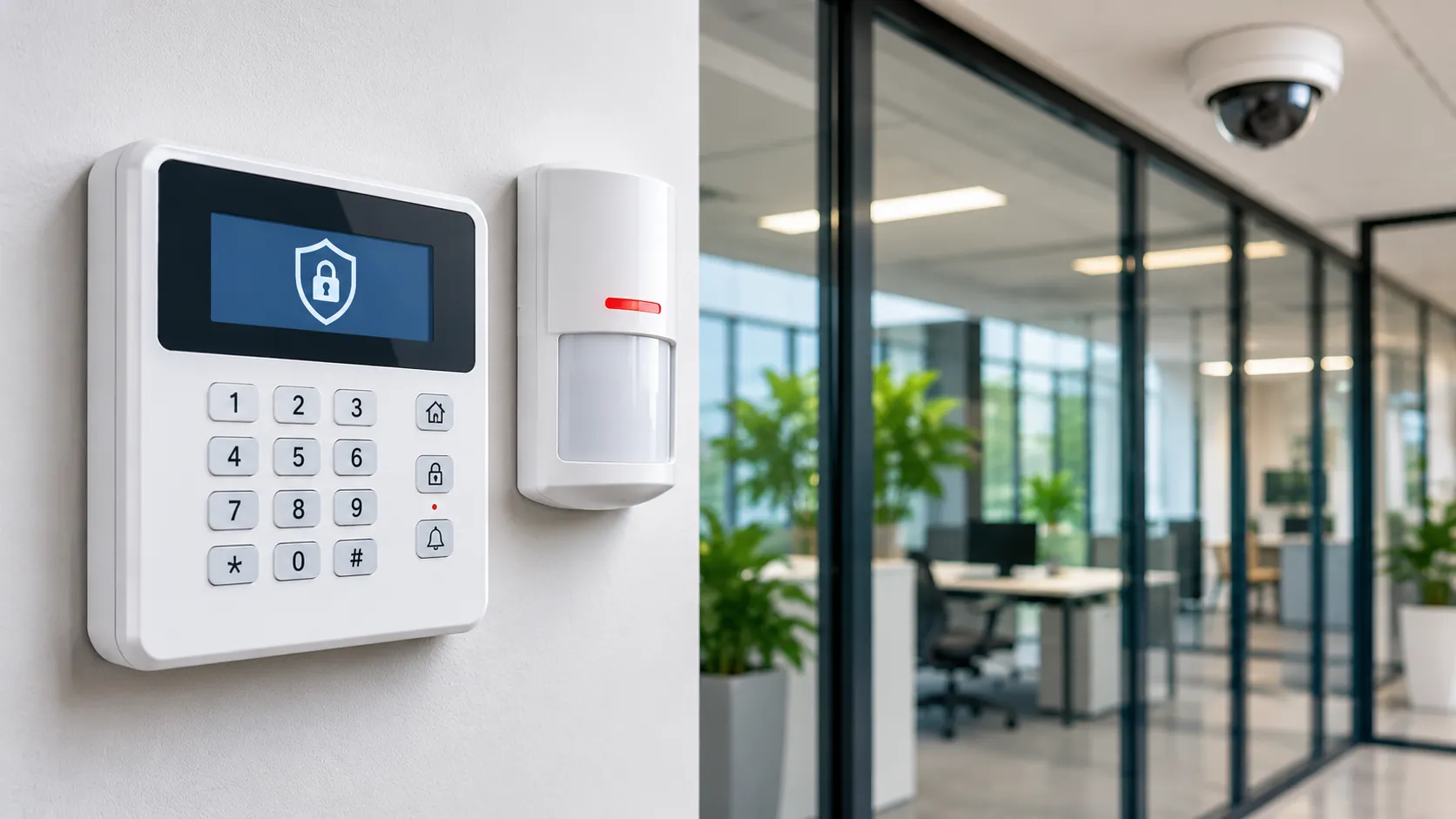
A commercial intrusion alarm system is a security setup designed to detect unauthorized entry into a business property. It uses detection devices connected to a central control panel to identify activity that may indicate an intrusion.
When a sensor detects a configured event, it sends a signal to the control panel. The panel processes the signal and activates the system’s programmed response, which may include an audible alarm, notification to authorized users, or communication with an external monitoring service when configured.
The system’s operation depends on its design, connected devices, and notification arrangements. Proper installation helps ensure that the components work together as intended.
Why is Professional Intrusion Alarm System Installation Important for Businesses?
Professional installation helps businesses develop a security setup based on the actual layout and requirements of their premises. Incorrect device placement or configuration can leave vulnerable areas without suitable detection coverage.
A planned installation helps businesses:
- Identify vulnerable entrances and other access points.
- Determine suitable locations for detection devices.
- Connect system components correctly.
- Configure alarm functions according to business requirements.
- Test the system before it is put into operation.
The objective is to create a practical intrusion detection arrangement that supports the property’s security needs without adding unnecessary equipment.
What Should Businesses Assess Before Installing an Intrusion Alarm System?
Before choosing equipment, businesses should evaluate the property and identify the areas that need protection. This assessment helps determine the system design and installation requirements.
Important considerations include:
- Property layout: Review entrances, windows, corridors, restricted rooms, and other accessible areas.
- Business operating hours: Consider when the premises are occupied, when they are closed, and how the alarm will be armed or disarmed.
- Security risks: Identify areas containing valuable inventory, equipment, confidential records, or sensitive assets.
- Access patterns: Account for employees, contractors, visitors, and other authorized users.
- Existing infrastructure: Review available wiring, power arrangements, and existing security equipment.
A site assessment provides a clearer understanding of the property’s security requirements and helps guide equipment selection.
How is an Intrusion Alarm System Installed in a Commercial Building?
Commercial intrusion alarm system installation generally follows a planned process. Each stage helps ensure that the selected equipment is appropriate for the property and functions correctly.
1. Conduct a Site Assessment
The installation process begins with reviewing the building layout, entry points, operating conditions, and potential security risks. Installers identify the areas that require protection and consider how people move through the premises.
This assessment helps establish the scope of the installation and the equipment needed for the property.
2. Plan the System and Device Locations
After assessing the property, suitable locations are identified for detection devices, control equipment, and other required components. Placement should account for the building’s structure, environmental conditions, and areas that need monitoring.
A clear installation plan helps provide appropriate coverage while avoiding unnecessary devices.
3. Install the Control Panel and Detection Devices
The control panel acts as the central point for connected intrusion detection equipment. Installers position the panel and install the selected devices according to the approved system design.
The installation may involve wiring, mounting equipment, and connecting devices based on the system’s configuration and the property’s infrastructure.
4. Connect and Configure the System
Once the equipment is installed, complete the required connections and configure the system. This includes setting up communication between detection devices and the control panel, along with the alarm functions and notification arrangements included in the design.
Configuration should reflect the property’s operating requirements and authorized user arrangements.
5. Test and Commission the Installation
The final stage involves checking that the installed components operate as intended. Testing may include checking device responses, alarm signals, control panel indications, and configured notification or monitoring connections.
Any identified issues should be addressed before the system is handed over. Responsible personnel should also receive guidance on basic operation and alarm procedures.
Where Should Intrusion Alarm Devices Be Installed in a Business?
Device placement depends on the building layout, access points, and security risks identified during the assessment. Common areas considered during installation include:
- Main entrances and exits: Areas where people commonly enter or leave the premises.
- Accessible windows: Openings that may provide unauthorized access.
- Restricted rooms: Spaces containing sensitive information, equipment, or valuable assets.
- Storage areas: Locations where inventory and business supplies are kept.
- Other vulnerable spaces: Areas identified during the site assessment as requiring additional detection coverage.
The final placement should follow the system design. Environmental conditions and normal business activity should also be considered to help reduce unsuitable detection and unwanted alarms.
What Should Businesses Check After Intrusion Alarm System Installation?
Before putting the system into regular use, businesses should confirm that the installation has been tested and that responsible personnel understand its basic operation.
A post-installation checklist should include:
- Detection devices respond correctly during testing.
- Signals reach the control panel.
- Configured alarms and notifications operate as intended.
- Authorized users understand arming and disarming procedures.
- Relevant installation and system documentation is provided.
- Identified faults or configuration issues have been addressed.
These checks help confirm that the system is ready for normal operation.
How Can Businesses Maintain an Intrusion Alarm System?
Regular maintenance helps keep an intrusion alarm system in suitable working condition. Businesses should follow the manufacturer’s instructions and establish a maintenance routine appropriate for their installed equipment.
Important practices include inspecting devices, checking system indicators, testing relevant functions, and addressing faults or communication issues. Businesses should also review their security requirements after renovations, changes in building use, or modifications to access points.
Keeping maintenance and service records helps track inspections, identified issues, and corrective work. Any required servicing should be handled by appropriately qualified professionals.
Why Choose Cisco Fire Systems for Intrusion Alarm System Installation?
Cisco Fire Systems provides intrusion alarm system installation and other fire and security solutions for commercial and residential properties. Each property’s layout, access points, existing infrastructure, and security requirements should be considered when planning an intrusion alarm installation.
A property-specific assessment helps identify suitable installation arrangements and the functions required for the premises. Cisco Fire Systems can discuss business security requirements and help determine the appropriate next steps, including arranging a site survey.
As a family-owned company established in 1982, Cisco Fire Systems has a long-standing presence in the fire and security industry. Businesses planning an intrusion alarm system installation can contact the company to discuss their property requirements.
Conclusion
Intrusion alarm system installation involves more than placing detection devices around a building. Businesses should assess property risks, plan device locations, configure the equipment, and test the system to ensure it operates as intended. Regular maintenance and clear operating procedures also support the system’s ongoing use.
Cisco Fire Systems provides intrusion alarm installation services to help businesses address their property security requirements. Contact Cisco Fire Systems to discuss your premises and arrange a site survey.
Frequently Asked Questions
How long does it take to install a commercial intrusion alarm system?
Installation time depends on the building’s size, layout, number of devices, existing infrastructure, and system complexity. A site assessment helps establish the expected installation scope.
Can an intrusion alarm system be installed in an existing commercial building?
Yes. Existing commercial properties can be assessed for suitable installation options. The approach depends on the building layout, available infrastructure, and the equipment required.
Does a business intrusion alarm system work after business hours?
It can operate after business hours when configured and armed appropriately. The system’s operation depends on its programming, detection devices, and user procedures.
How often should a commercial intrusion alarm system be tested?
Testing and maintenance should follow the manufacturer’s instructions and the requirements applicable to the installed system. Businesses should establish a suitable routine and address faults promptly.
About the author

Victor Gaier
Victor Gaier is an Electrical Engineer with 40+ years of experience specializing in fire alarm systems, CCTV, access control, intrusion alarms, and commercial security solutions across Nassau County and Long Island.
Share this article
Related Blogs
Explore more expert insights, tips, and updates on fire protection and security solutions.


Need Assistance? Get Your Free Site Survey
Protect your home or business with reliable fire protection and security solutions from Cisco Fire Systems. Tell us about your property and security needs, and our team will recommend the right solution for you.