- Published
- Victor Gaier
- 5 min Read
Wireless vs Wired Fire Alarm Systems: Which is Better?
Summarize With:
In This Article
Key Takeaways
- Both wireless and wired fire alarm systems provide reliable fire detection.
- Wired systems are ideal for permanent installations and larger commercial properties.
- Wireless systems offer faster installation and easier expansion.
- Building size, occupancy, and future growth should guide your decision.
- Professional installation improves reliability, code compliance, and long-term performance.
- Fire alarm systems can integrate with CCTV, access control, intrusion alarms, and other building security systems.
Wireless and wired fire alarm systems both provide reliable fire detection, but the best choice depends on your building, installation requirements, and long-term safety goals. Wired fire alarm systems are often preferred for new construction and larger commercial properties because of their dependable communication, while wireless systems offer faster installation and greater flexibility for existing buildings and renovation projects.
This guide compares wireless vs. wired fire alarm systems, explains their key differences, and helps you determine which solution is best for your commercial property.
What is the Difference Between Wireless and Wired Fire Alarm Systems?
The primary difference between a wireless and a wired fire alarm system is how the devices communicate with the fire alarm control panel.
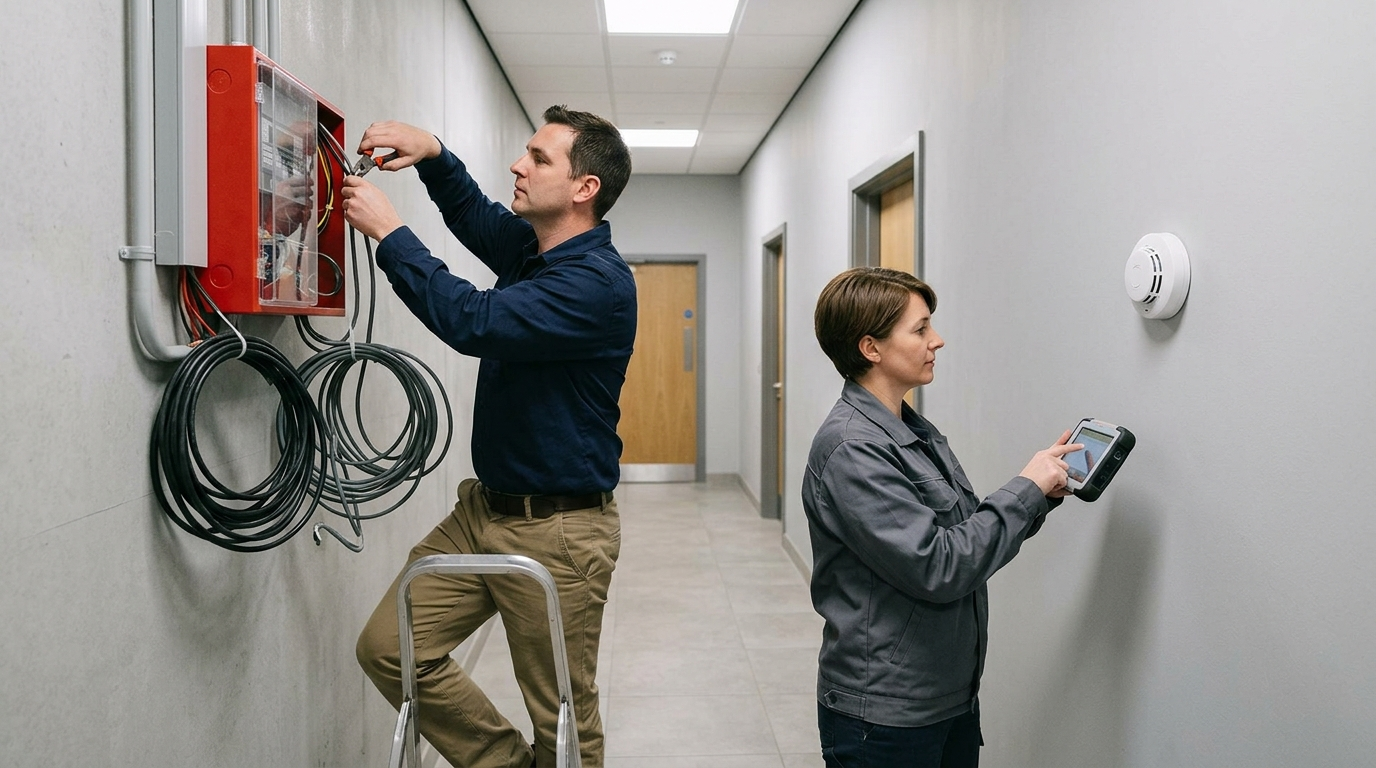
A wired fire alarm system uses low-voltage cabling to connect smoke detectors, heat detectors, manual pull stations, notification devices, and the control panel. These systems are commonly installed during new construction or major renovations where wiring can be integrated into the building.
A wireless fire alarm system uses secure radio signals instead of physical cables. Devices communicate wirelessly with the control panel, making installation quicker and less disruptive in occupied buildings.
Both systems are designed to detect fires quickly, alert occupants, and support emergency response. When professionally installed and maintained, both provide dependable life safety protection.
Wireless vs Wired Fire Alarm Systems: Key Differences
Although both systems perform the same essential function, they differ in several important ways.
Feature | Wired Systems | Wireless Systems |
Installation | Longer installation due to cabling | Faster installation with minimal disruption |
Reliability | Stable wired communication | Reliable wireless communication when properly designed |
Expansion | Additional wiring required | Easy to add or relocate devices |
Maintenance | Routine inspections | Routine inspections plus battery replacement |
Initial Cost | Higher installation labor | Lower installation labor in many retrofit projects |
Best Application | New commercial buildings | Existing buildings and renovations |
For many businesses, the decision comes down to the building itself rather than which technology is inherently better.
What are the Benefits of Wired Fire Alarm Systems?
Wired fire alarm systems remain the preferred choice for many commercial and industrial facilities because of their long-established performance and reliability.
Key benefits include:
- Reliable communication through dedicated low-voltage cabling
- Excellent performance for large commercial buildings security
- Less reliance on individual device batteries
- Well-suited for permanent installations
- Proven solution for offices, warehouses, hospitals, and manufacturing facilities
These systems are particularly effective for buildings where the infrastructure already supports cabling or where wiring can be installed during construction.
What are the Benefits of Wireless Fire Alarm Systems?
Wireless fire alarm systems have become increasingly popular because they simplify installation without compromising safety.
Advantages include:
- Faster installation
- Minimal disruption to daily operations
- Easier installation in occupied buildings
- Greater flexibility for future expansion
- Ideal for renovations and historic buildings where running cables is difficult
Because devices communicate wirelessly, businesses can often expand the system with less labor as their facilities grow.
Which Fire Alarm System is Better for Your Commercial Property?
There is no one-size-fits-all answer. The right solution depends on your building, operational needs, and future plans.
A Wired Fire Alarm System May Be Best If You Have:
- A newly constructed commercial building
- A warehouse or manufacturing facility
- A hospital or healthcare facility
- A large office building
- A property requiring a permanent fire protection solution
A Wireless Fire Alarm System May Be Best If You Have:
- An existing commercial building
- An occupied office that cannot accommodate major construction
- A renovation project
- A historic property
- A facility that may expand or change layouts in the future
A professional fire alarm assessment can help determine which system provides the best balance of safety, flexibility, and long-term value.
Key Factors to Consider Before Choosing a Fire Alarm System
Selecting the right commercial fire alarm system involves more than choosing between wireless and wired technology.
1. Building Layout
Large buildings, multiple floors, and complex floor plans may influence system design and detector placement.
2. Occupancy and Fire Risks
The number of occupants, building use, and potential fire hazards determine the level of fire protection required.
3. Future Expansion
Businesses planning to grow should choose a system that can accommodate additional detectors, notification devices, and control zones.
4. Maintenance Requirements
Both systems require regular inspections, testing, and servicing to ensure compliance and reliable performance. Wireless systems also require battery monitoring and replacement.
5. Integration with Other Security Systems
Modern commercial fire alarm systems often integrate with:
- CCTV security cameras
- Access control systems
- Intrusion alarm systems
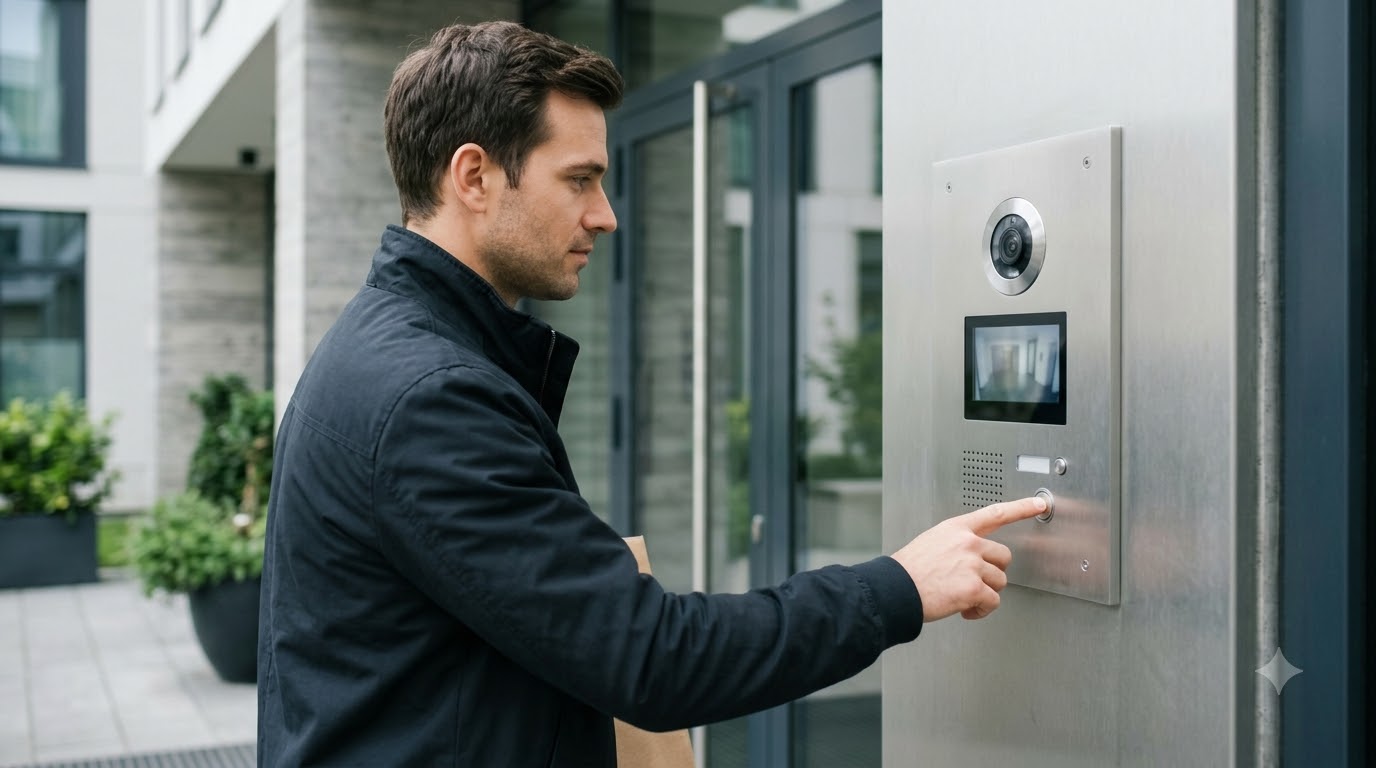
- Video intercom systems
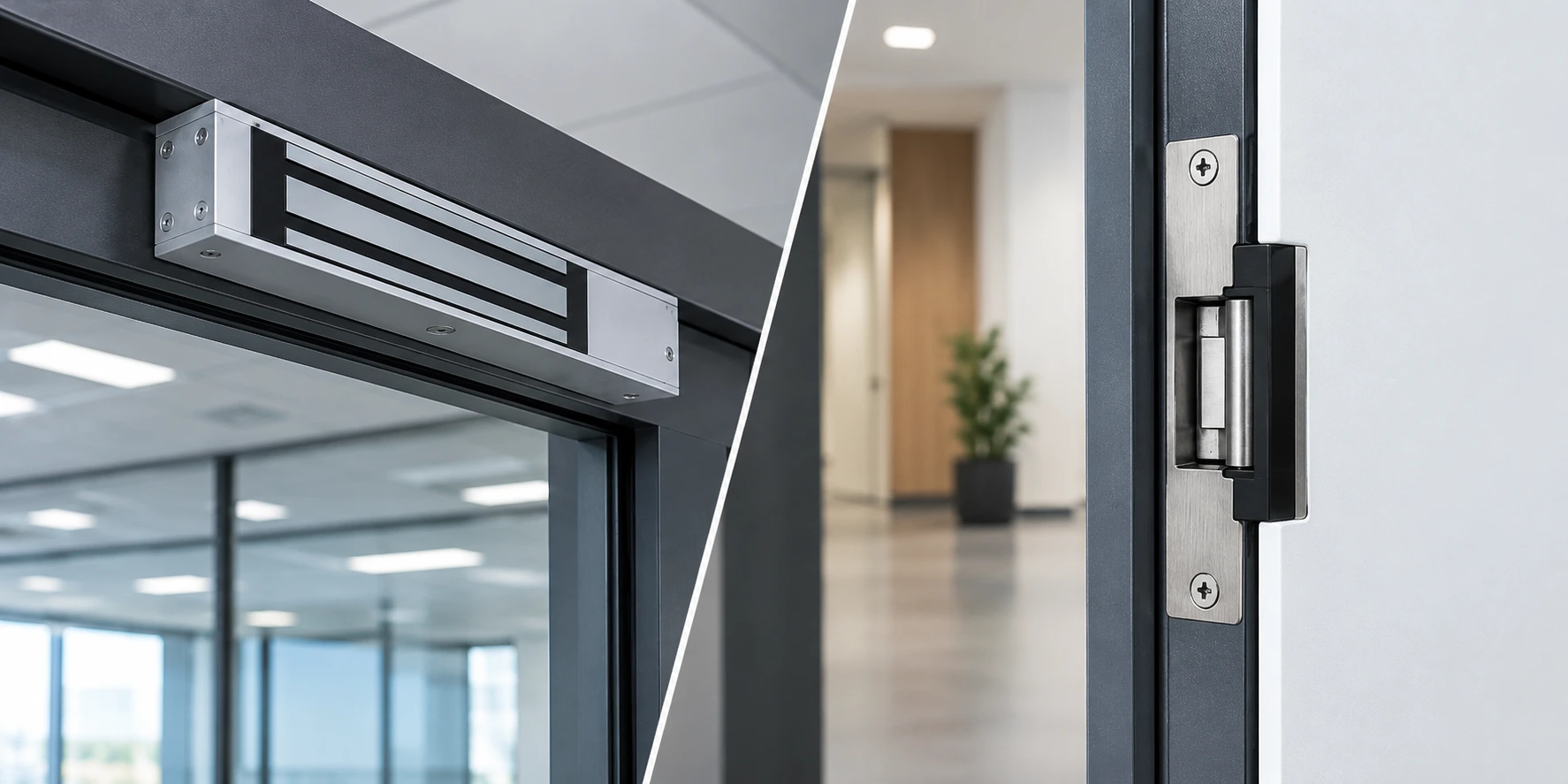
- Automatic door operators
An integrated approach improves emergency response and provides better visibility across the entire facility.
Why Professional Fire Alarm Installation Matters
Even the most advanced fire alarm equipment will not perform effectively if it is installed incorrectly. Professional installation helps ensure proper detector placement, reliable system communication, compliance with fire safety codes, thorough testing, and long-term system reliability.
Cisco Fire Systems provides professional commercial fire alarm installation throughout Nassau County, designing customized systems based on your building layout and operational needs. We also install integrated security solutions, including CCTV cameras, access control, intrusion alarms, video intercoms, low-voltage cabling, and automatic door operators, providing complete commercial building protection. Whether you’re installing a new system or upgrading an existing one, our team delivers dependable installation, testing, and ongoing support.
Conclusion
Both wireless and wired fire alarm systems provide dependable fire protection when professionally designed and maintained. Wired systems are often the best choice for new and larger commercial buildings, while wireless systems offer greater flexibility and faster installation for existing properties and renovation projects. The right solution depends on your building’s layout, safety requirements, and long-term goals.
Cisco Fire Systems, a trusted fire security company, helps businesses select, install, and maintain the right fire alarm system, delivering reliable protection and long-term performance.
Frequently Asked Questions
1. Is a wireless fire alarm system as reliable as a wired system?
Yes. Modern wireless fire alarm systems provide dependable performance when professionally designed, installed, and maintained. Regular inspections and battery replacement help ensure reliable operation.
2. Which is better, a wired or wireless fire alarm system?
Neither system is universally better. Wired systems are often preferred for new construction and larger commercial buildings, while wireless systems are ideal for existing properties, renovations, and locations where installing new cabling is difficult.
3. Can wireless and wired fire alarm systems integrate with other security systems?
Yes. Both systems can integrate with CCTV cameras, access control systems, intrusion alarms, video intercoms, and automatic door operators to create a more comprehensive commercial safety and security solution.
4. How often should commercial fire alarm systems be inspected?
Commercial fire alarm systems should be inspected, tested, and maintained regularly according to local fire codes, NFPA requirements, and manufacturer recommendations to ensure reliable operation.
5. Can a wireless fire alarm system be expanded later?
Yes. One of the biggest advantages of wireless fire alarm systems is their scalability. Additional detectors and devices can often be added with minimal disruption as your business grows.
6. Why should businesses hire a professional fire alarm installation company?
Professional installers ensure your fire alarm system is properly designed, installed, tested, and compliant with applicable fire safety regulations. They also help integrate the system with other building security technologies for better protection and long-term reliability.
7. Can wireless fire alarm systems work during a power outage?
Yes. Wireless fire alarm systems are equipped with battery-powered devices and control panels with backup power to continue operating during a power outage. Regular battery testing and maintenance help ensure the system remains fully functional in an emergency.
About the author

Victor Gaier
Victor Gaier is an Electrical Engineer with 40+ years of experience specializing in fire alarm systems, CCTV, access control, intrusion alarms, and commercial security solutions across Nassau County and Long Island.
Share this article
Frequently Asked Questions
1. How does Cyberx protect business data?
2. Is Cyberx suitable for small businesses?
3. Does Cyberx support cloud security?
4. How quickly does Cyberx respond to threats?
5. Can Cyberx integrate with existing systems?
Related Blogs
Explore more expert insights, tips, and updates on fire protection and security solutions.


Need Assistance? Get Your Free Site Survey
Protect your home or business with reliable fire protection and security solutions from Cisco Fire Systems. Tell us about your property and security needs, and our team will recommend the right solution for you.