- Published
- Victor Gaier
- 5 min Read
Complete Guide to Commercial Building Security Systems
Summarize With:
In This Article
Security challenges facing businesses today are broader than most owners anticipate. Break-ins, unauthorized access, fire hazards, and vandalism can affect any commercial property, regardless of size or location. What separates a reactive business from a protected one is having the right systems in place before something goes wrong.
Modern commercial security systems do not rely on a single technology. They bring together video surveillance, fire protection, intrusion detection, intercoms, and networking infrastructure to create a layered defense that protects people, property, and assets around the clock. This guide covers each component, how they work together, and what to consider when building or upgrading your security setup.
What Are Commercial Security Systems?
Commercial security systems are purpose-built solutions designed to monitor and protect business facilities, the people inside them, and the assets they hold. Unlike residential setups, which typically involve a basic alarm and a few cameras, commercial systems are built for larger spaces, higher foot traffic, multiple access points, and stricter compliance requirements.
The key difference between residential and commercial security lies in scale and integration. A business security system is not a collection of standalone devices, it is a coordinated infrastructure where each component supports the others. Layered protection is what makes commercial building security genuinely effective, and integrated security management is what makes it practical to operate.
Key Components of a Commercial Building Security System
Effective security requires multiple technologies working together. Here is a look at the core components that make up a complete commercial security setup.
Security Camera Systems and Video Surveillance
Business security cameras are one of the most visible and effective deterrents against theft, vandalism, and unauthorized access. Commercial CCTV camera systems cover both indoor and outdoor areas, with options for remote viewing and cloud-based footage storage, so you can monitor your property from anywhere.
Security camera systems for businesses also serve a critical investigative role. When an incident occurs, recorded footage provides clear, timestamped evidence that can support insurance claims, legal proceedings, and internal reviews. The presence of cameras alone is often enough to deter opportunistic criminal activity.
Fire Alarm Systems
A fire alarm system is a non-negotiable component of any commercial building security plan. Early detection limits damage, protects lives, and helps businesses meet life safety compliance standards.
Professional commercial fire alarm installation ensures that detectors, notification devices, and monitoring connections are positioned correctly and meet local fire codes. A poorly installed system is not just ineffective, it can also create liability. Certified installation removes that risk while integrating fire protection into your broader security infrastructure.
Intrusion Alarm Systems
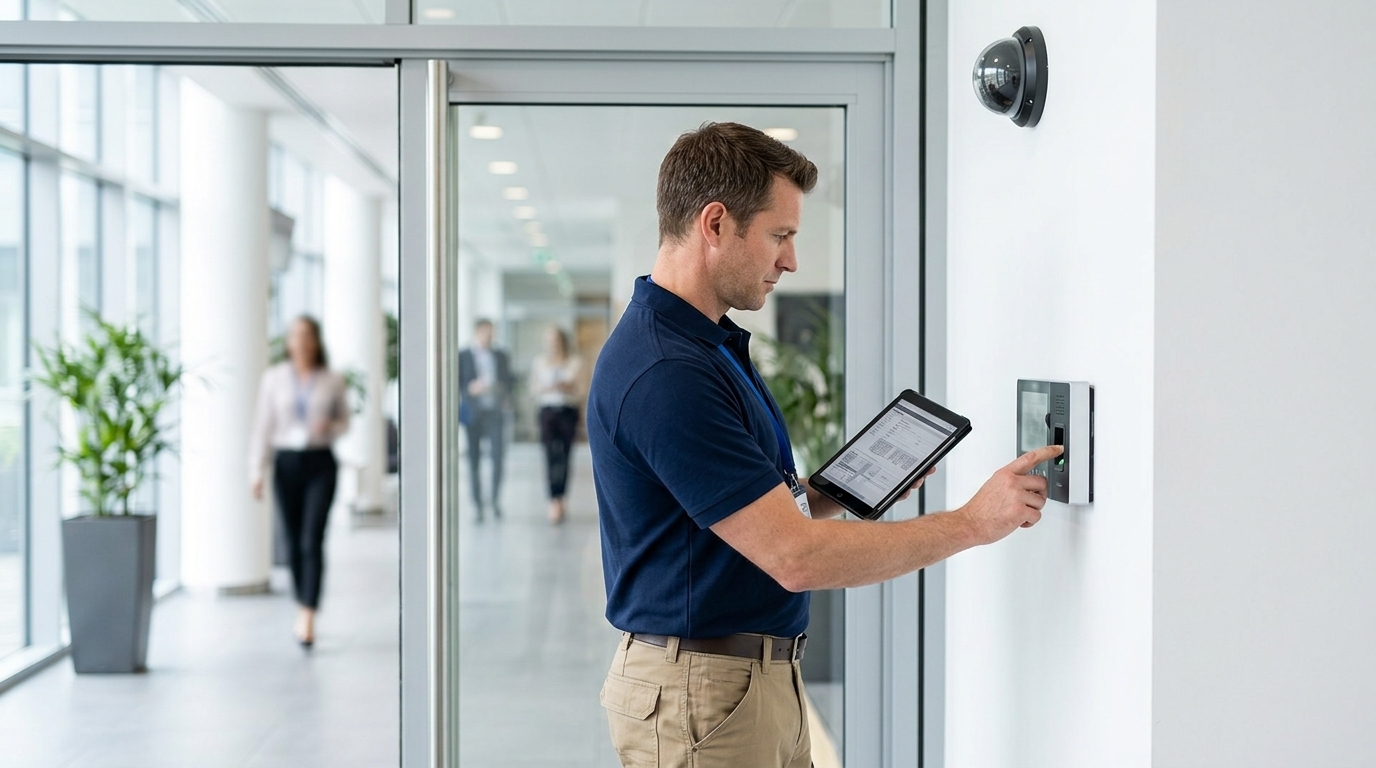
Intrusion alarm systems form your first line of defense against unauthorized access, particularly after hours. A complete system typically includes motion sensors, door and window contacts, and glass-break detectors tied to a central control panel. When triggered, real-time alerts are sent to a monitoring station or directly to designated staff, enabling a fast and informed response.
These systems are especially valuable for commercial properties that hold high-value equipment, sensitive data, or cash on-site.
Video Intercom Systems
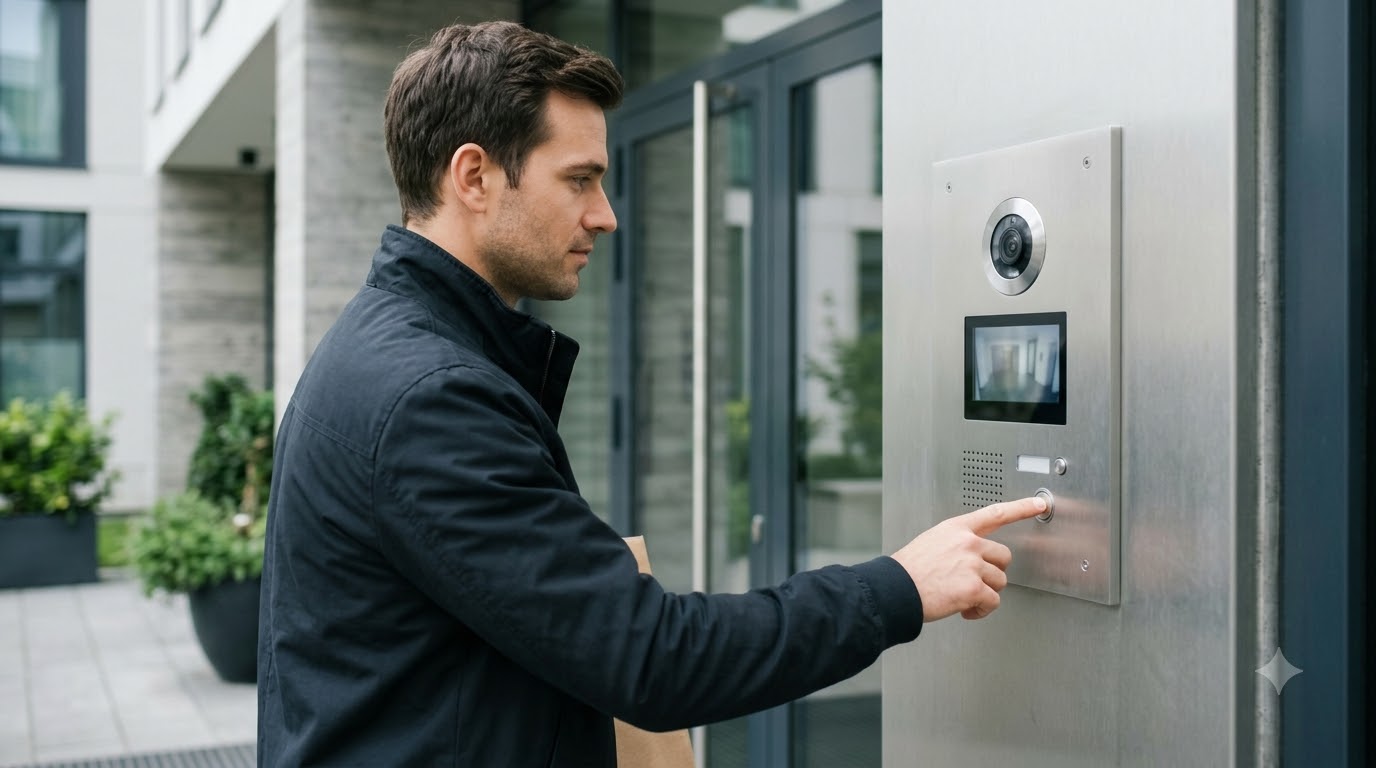
Video intercom systems add a layer of controlled access that surveillance cameras alone cannot provide. They allow staff to visually verify visitors before granting entry, reducing the risk of unauthorized individuals gaining access to your building.
For multi-tenant buildings, office complexes, and facilities with high visitor volume, intercoms are a practical tool for managing access at front doors, parking gates, and loading areas, without slowing down the flow of authorized visitors.
Networking, Wiring, and Low Voltage Cabling
Every component in your security system depends on a reliable network to function. Structured cabling and low voltage wiring form the backbone of the entire setup, ensuring that cameras, alarms, intercoms, and access control systems communicate without interruption.
Investing in proper network infrastructure from the start also makes scaling easier. Adding cameras, expanding to new floors, or integrating new technologies becomes straightforward when the underlying wiring is designed with growth in mind.
Why Integrated Security Systems Are More Effective
Running security components in isolation creates blind spots and slows down your response when something happens. Integrated security systems connect cameras, fire alarms, intrusion alarms, intercoms, and access control into a single, centrally monitored platform.
When a door sensor triggers after hours, your cameras can automatically pull up footage from that zone, and your monitoring team receives an instant alert with visual context. Everything works together. The result is faster response times, better incident management, fewer gaps in coverage, and a clearer picture of building activity at any given moment. For larger facilities with multiple access points and areas, centralized monitoring is not just convenient, it is essential.
How to Choose the Right Commercial Security System
No two commercial buildings are exactly alike, so choosing the right system requires some honest assessment before anything is installed.
- Evaluate your building size and layout: Take stock of entry points, high-risk zones, parking areas, and storage rooms. The number of cameras, sensors, and access control devices you need will vary significantly based on your building’s footprint and the nature of your operations.
- Identify your security risks: Consider what threats your business is most exposed to, whether that is internal theft, unauthorized access, vandalism, or fire hazards. This helps you prioritize which systems to invest in first and where to focus coverage.
- Plan for future growth: A good security system should scale with your business. Choose solutions that allow you to add devices, cover new locations, or integrate new technologies without requiring a complete overhaul.
- Work with experienced security professionals: Custom system design and professional installation make a measurable difference in how well your system performs long-term. A qualified team assesses your specific needs, recommends the right equipment, and ensures everything is correctly configured from day one.
Benefits of Investing in Commercial Security Systems
A well-integrated commercial security system delivers more than just protection. Key benefits include:
- Enhanced safety for employees, visitors, and on-site personnel
- Reduced risk of theft, vandalism, and unauthorized access
- Support for fire safety and regulatory compliance requirements
- Remote monitoring and real-time alerts from anywhere
- Improved incident documentation for investigations and insurance claims
- Greater peace of mind for business owners and management teams
Final Thoughts
Securing a commercial building takes more than installing a few cameras and hoping for the best. A genuinely effective approach combines video surveillance, fire alarm systems, intrusion detection, video intercoms, and the network infrastructure that ties it all together, working as one integrated system rather than a collection of disconnected devices.
If your current setup relies on outdated or isolated systems, it may be time to upgrade. Cisco Fire Systems provides integrated commercial security solutions designed for your building, ensuring proper installation, scalability, and reliable protection across surveillance, fire alarms, intrusion detection, intercoms, and networking.
Frequently Asked Questions
1. What is a commercial security system?
A commercial security system is an integrated combination of technologies, including CCTV cameras, fire alarms, intrusion detection, intercoms, and network infrastructure, designed to protect commercial buildings, their occupants, and business assets.
2. What is typically included in a commercial security system?
A complete system includes video surveillance cameras, fire alarm systems, intrusion alarms, video intercoms, access control, and the low voltage cabling and networking infrastructure that connects all components.
3. How do business security cameras help protect commercial properties?
Security cameras deter criminal activity, enable real-time remote monitoring, and provide recorded footage that supports incident investigations, insurance claims, and legal proceedings.
4. Why is professional commercial fire alarm installation important?
Professional installation ensures detectors and notification devices are positioned correctly, meet local fire codes, and integrate with your overall security system. It eliminates compliance gaps and removes potential liability from improper setup.
5. How often should commercial security systems be inspected?
Most systems should be inspected at least once a year. Fire alarm systems typically require more frequent testing, often every six months, in line with local fire safety regulations and manufacturer recommendations.
About the author

Victor Gaier
Victor Gaier is an Electrical Engineer with 40+ years of experience specializing in fire alarm systems, CCTV, access control, intrusion alarms, and commercial security solutions across Nassau County and Long Island.
Share this article
Frequently Asked Questions
1. How does Cyberx protect business data?
2. Is Cyberx suitable for small businesses?
3. Does Cyberx support cloud security?
4. How quickly does Cyberx respond to threats?
5. Can Cyberx integrate with existing systems?
Related Blogs
Explore more expert insights, tips, and updates on fire protection and security solutions.

Need Assistance? Get Your Free Site Survey
Protect your home or business with reliable fire protection and security solutions from Cisco Fire Systems. Tell us about your property and security needs, and our team will recommend the right solution for you.