- Published
- Victor Gaier
- 5 min Read
Access Control vs Traditional Locks: Which is Right for Your Business?
Summarize With:
In This Article
Key Takeaways
- Access control systems offer greater security, flexibility, and accountability than traditional locks
- Digital credentials can be revoked instantly, eliminating rekeying costs
- Audit trails support compliance and incident response
- Cloud-based commercial access control enables remote management across locations
- Traditional locks still serve a role in low-risk or backup applications
- Integration with CCTV, alarms, and intercoms creates a complete security solution
- Professional installation is essential for reliability and long-term performance
Access control systems offer businesses greater security, flexibility, and control than traditional locks. They eliminate the risks of lost or copied keys, provide detailed audit trails, and allow administrators to grant or revoke access instantly, making them the preferred choice for most commercial properties.
Physical security has come a long way from a deadbolt and a brass key. The access control market is growing at a CAGR of 8.3% (MarketsandMarkets). This growth reflects a clear trend: businesses are rethinking how they protect their people, assets, and facilities.
If you are comparing access control vs traditional locks for your business, this guide breaks down everything you need to know.
“Effective cyber security is not just about technology, it is about protecting trust, data integrity, and business continuity in an increasingly connected digital world.”
Alex Morgan
What are Access Control Systems?
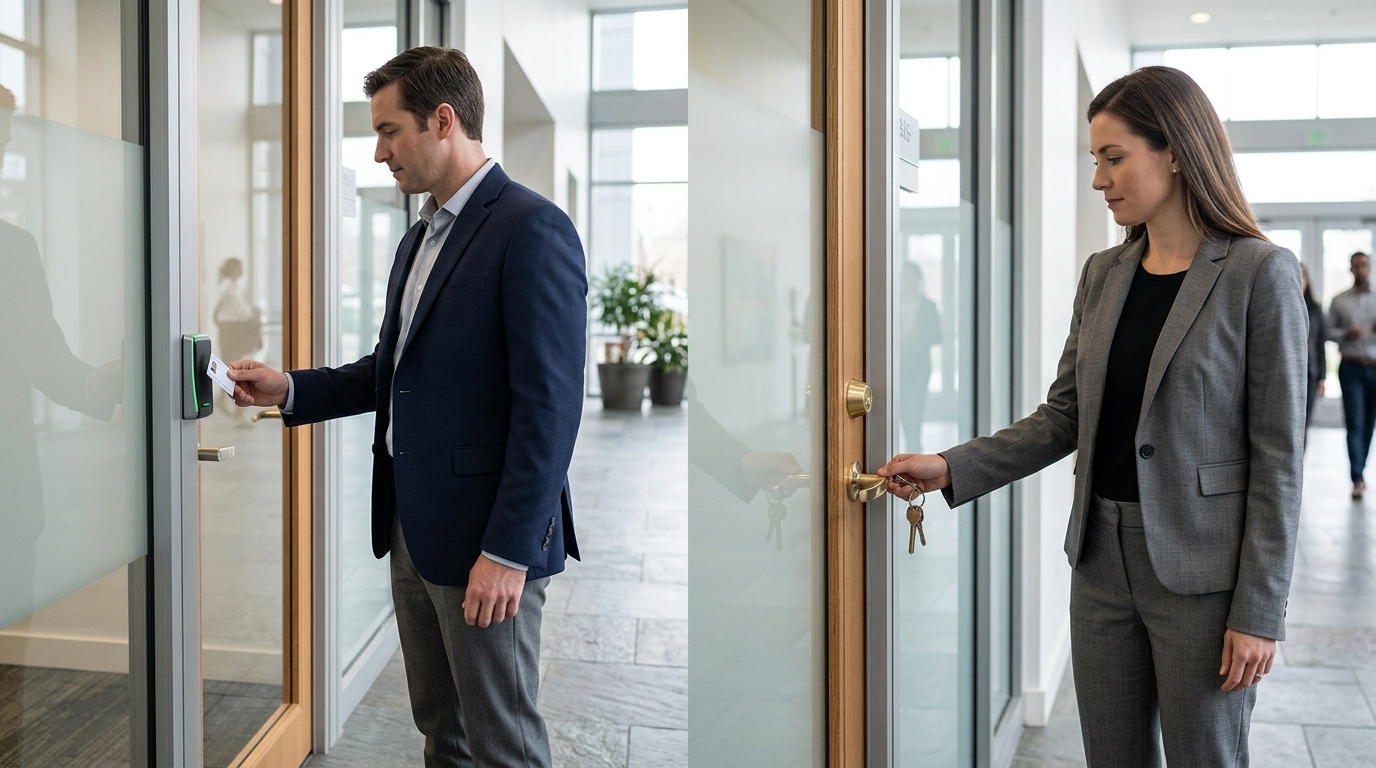
Access control systems are electronic security solutions that regulate who can enter specific areas of a building and when. Rather than relying on a physical key, these systems use digital credentials to verify identity before granting entry.
Common credential types include:
- Key cards and key fobs
- PIN codes and keypads
- Mobile credentials via smartphone
- Biometric authentication (fingerprint, facial recognition)
Business access control systems can be standalone (controlling a single door) or networked, giving administrators centralized control across an entire facility or multiple locations.
What are Traditional Locks?
Traditional locks use physical keys to control access. Common examples include deadbolts, cylinder locks, padlocks, and mortise locks. They are simple, cost-effective, and require no power or software to operate.
Traditional locks still have a place in commercial buildings, but they come with limitations that become harder to manage as a business scales.
Access Control vs Traditional Locks: Key Differences
| Feature | Access Control Systems | Traditional Locks |
| Credentials | Cards, fobs, PINs, mobile, biometric | Physical keys |
| Revoking access | Instant, no hardware change | Requires rekeying or lock replacement |
| Audit trails | Yes, with timestamps | No |
| Remote management | Yes (cloud-based systems) | No |
| Scalability | High | Low |
| Installation cost | Higher upfront | Lower upfront |
| Ongoing management | Low | High (key tracking, rekeying) |
Investing in modern access control solutions can significantly improve commercial building security by reducing unauthorized access and simplifying security management.
Benefits of Access Control Systems for Businesses
Better Security
Commercial door access control prevents unauthorized entry far more effectively than traditional locks. Credentials cannot be duplicated at a hardware store, and a lost card or fob can be deactivated in seconds.
Simplified Access Management
Add or remove users instantly through software. No need to collect keys from departing employees or schedule a locksmith.
Audit Trails
Every entry and exit is logged with a timestamp. This supports internal security reviews, compliance reporting, and incident investigations.
Remote Access Control
Cloud-based systems allow administrators to manage permissions, unlock doors, and monitor activity from any location, which is especially valuable for businesses with multiple sites or hybrid work environments.
Scalable Security
Start with a few doors and expand as your business grows. Access control systems for business are designed to scale without replacing your entire setup.
Improved Employee Convenience
Keyless entry systems for businesses reduce friction at entry points. Employees carry one credential for all secured areas, and visitors can be granted temporary access without a physical handoff.
When Traditional Locks May Still Be a Good Option
Traditional locks are not obsolete. They remain practical in a few specific scenarios:
- Low-risk interior spaces such as supply closets or storage rooms
- Temporary facilities or job sites
- Budget-constrained situations where a full system is not yet feasible
- As a backup locking mechanism alongside electronic hardware
Many businesses use a combination of both, applying access control systems to primary entry points and sensitive areas while retaining traditional locks elsewhere.
Integrating Access Control with Other Security Systems
One of the strongest advantages of electronic access control systems is how well they integrate with other security infrastructure. At Cisco Fire Security, we regularly install access control alongside:
- CCTV Security Cameras for visual verification at entry points
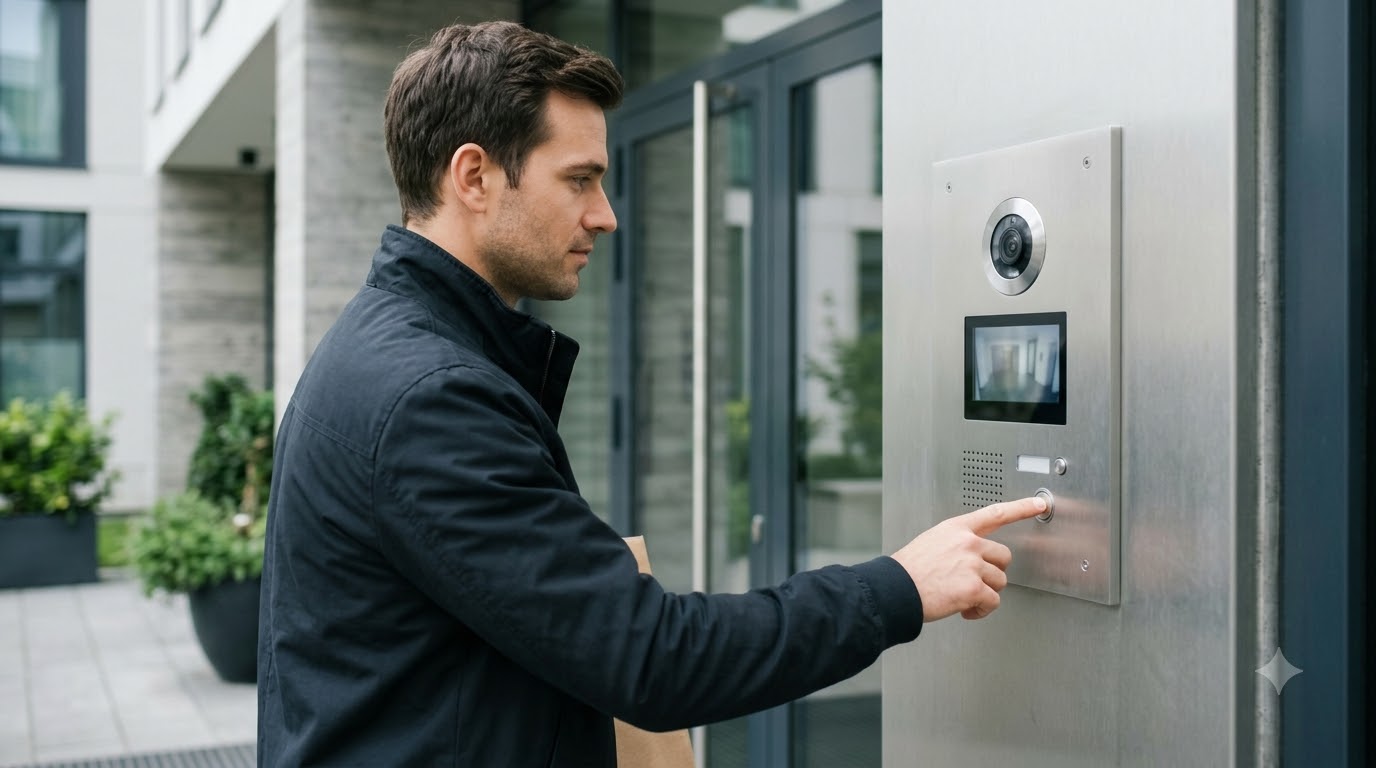
- Video Intercom Systems for remote visitor screening before granting access
- Intrusion Alarm Systems to trigger alerts when unauthorized entry is detected
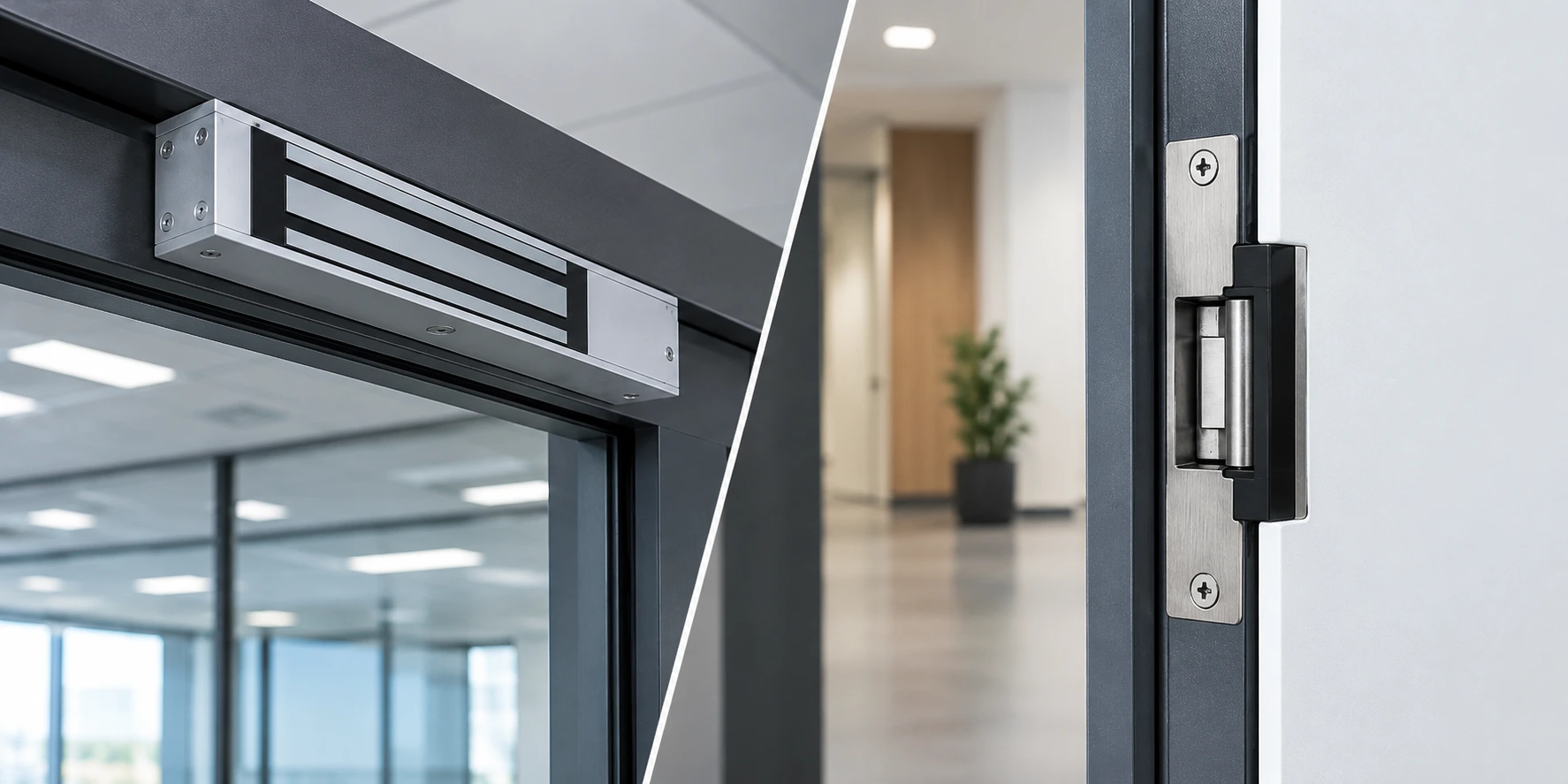
- Magnetic Locks and Security Door Locks for fail-safe or fail-secure door configurations
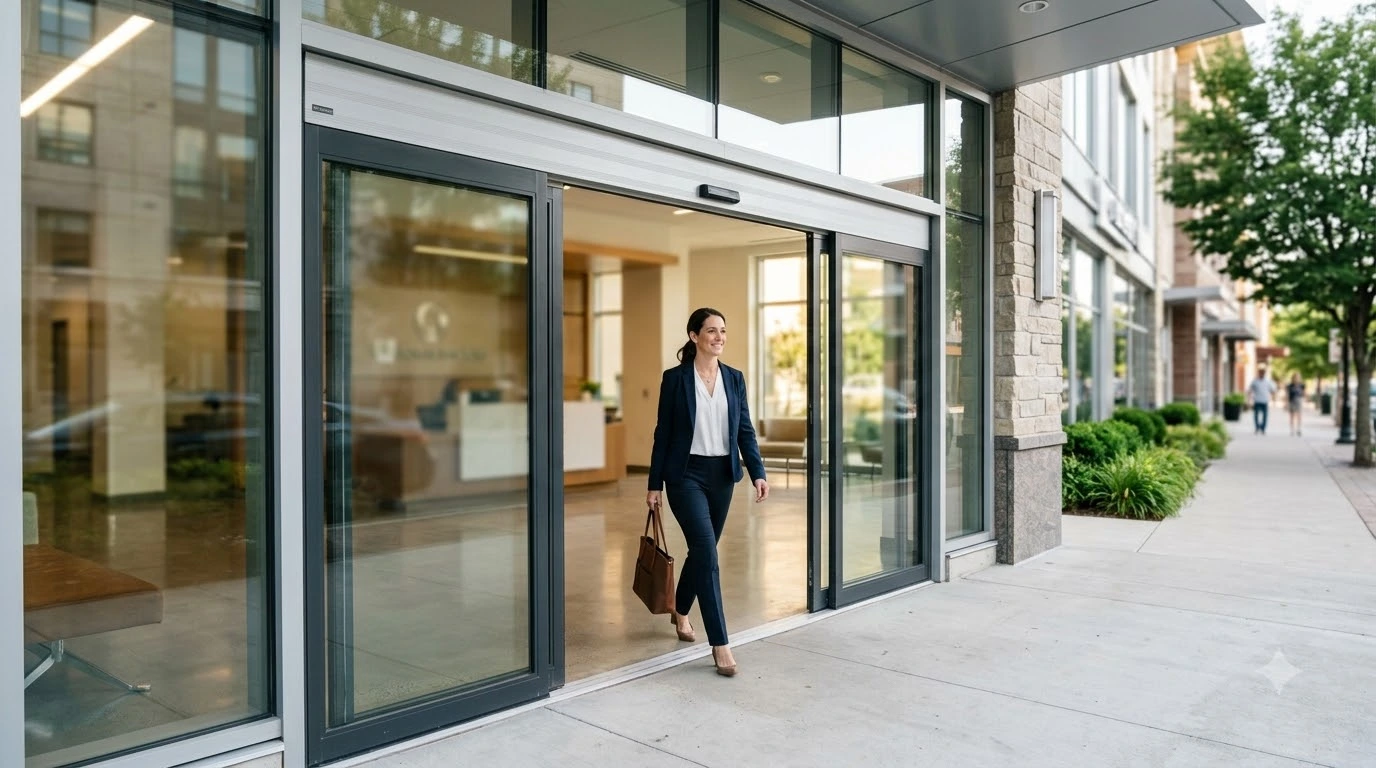
- Automatic Sliding and Swing Door Operators for hands-free, credential-activated entry
- Networking and Low Voltage Cabling to ensure your system communicates reliably across your facility
An integrated approach gives businesses a complete picture of building activity, not just who entered a door, but what was captured on camera at the same moment.
Choosing the Right Access Control System for Your Business
Before selecting a system, consider the following:
- Number of doors and entry points
- Number of employees and access levels required
- Whether you need remote or multi-location management
- Integration requirements with existing CCTV or alarm systems
- Budget for installation and ongoing management
- Plans for future expansion
Professional access control system installation ensures the system is configured correctly from day one. Poorly scoped or improperly installed systems can create coverage gaps or become difficult to manage over time.
Why Choose Cisco Fire Security for Access Control Installation?
Cisco Fire Security provides customized commercial access control solutions for businesses throughout Nassau County. Our team handles the full scope of installation, from site assessment and system design through programming, testing, and ongoing support.
We specialize in integrated security, combining access control with fire alarm systems, CCTV, intrusion detection, video intercoms, and low voltage infrastructure. Every system we install is built around your building’s specific layout, access requirements, and security priorities.
Conclusion
Choosing between access control systems and traditional locks depends on your business’s security needs, growth plans, and operational requirements. While traditional locks may still work for low-risk areas, commercial access control offers greater flexibility, stronger protection, and easier management. Working with an experienced security provider ensures your system is designed to protect your people, property, and business for years to come.
If your business still relies primarily on traditional locks, an access control system could significantly reduce your security risk and simplify daily operations. Cisco Fire Security helps Nassau County businesses design and install solutions that fit their building, team, and budget.
Frequently Asked Questions
1. What are access control systems?
Access control systems are electronic security solutions that regulate entry using digital credentials such as key cards, PIN codes, mobile devices, or biometrics. They provide greater control and flexibility than traditional locks.
2. Are access control systems more secure than traditional locks?
Yes. Access control systems reduce the risks of lost or copied keys by allowing administrators to instantly deactivate credentials, monitor access activity, and manage permissions from a centralized platform.
3. Can access control systems work with CCTV cameras?
Yes. Access control systems can integrate with CCTV cameras, intrusion alarms, and video intercoms, allowing businesses to monitor entry events, verify visitors, and improve overall building security.
4. Are access control systems suitable for small businesses?
Yes. Access control systems can be customized for businesses of all sizes. Small businesses can begin with a few secured entry points and expand the system as their security needs grow, making it a practical long-term investment.
5. Can access control systems be managed remotely?
Yes. Many modern access control systems include cloud-based management, allowing authorized users to monitor activity, update permissions, and unlock doors remotely using a computer or mobile device.
6. How long does access control system installation take?
Installation time depends on the size of the property, the number of entry points, and the complexity of the system. Small installations may take a day, while larger commercial projects can take several days.
7. Can access control systems be expanded in the future?
Yes. Most commercial access control systems are scalable, allowing businesses to add doors, users, credentials, and integrated security devices as their operations grow.
About the author

Victor Gaier
Victor Gaier is an Electrical Engineer with 40+ years of experience specializing in fire alarm systems, CCTV, access control, intrusion alarms, and commercial security solutions across Nassau County and Long Island.
Share this article
Frequently Asked Questions
1. How does Cyberx protect business data?
2. Is Cyberx suitable for small businesses?
3. Does Cyberx support cloud security?
4. How quickly does Cyberx respond to threats?
5. Can Cyberx integrate with existing systems?
Related Blogs
Explore more expert insights, tips, and updates on fire protection and security solutions.

Need Assistance? Get Your Free Site Survey
Protect your home or business with reliable fire protection and security solutions from Cisco Fire Systems. Tell us about your property and security needs, and our team will recommend the right solution for you.